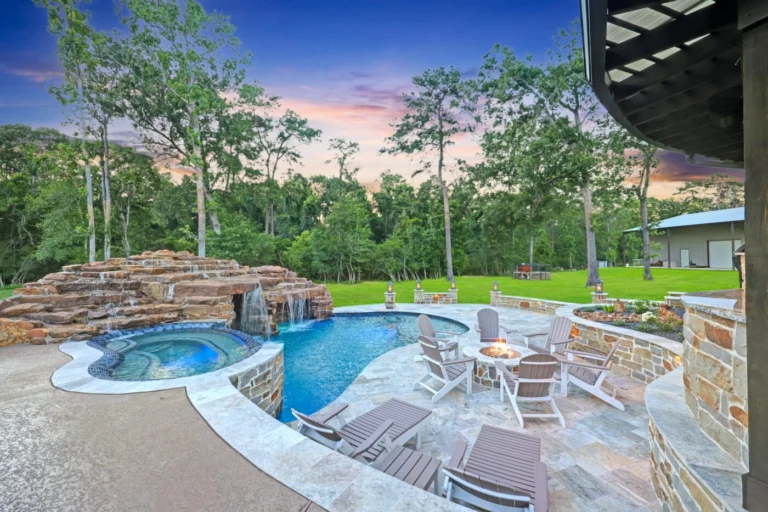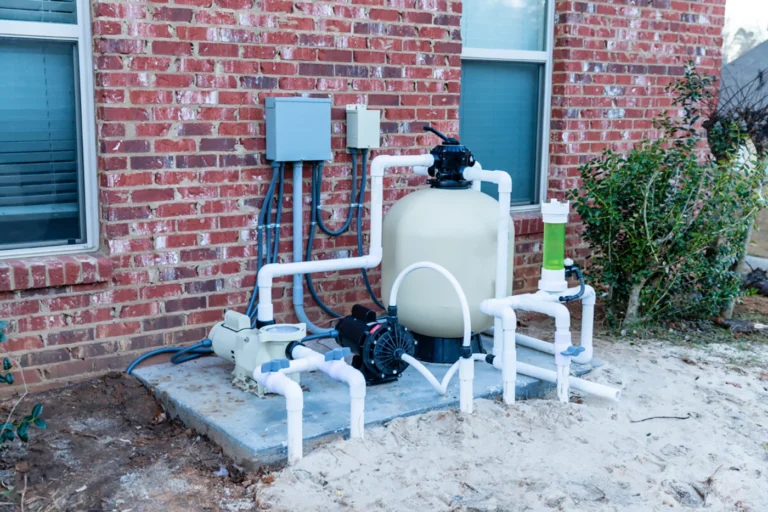

Pool Deck Drainage for Houston’s Clay Soils (What Homeowners Need to Know)
Houston’s clay expands and contracts as moisture changes. The fix isn’t guesswork—it’s planned deck slopes, proper inlets or channel drains, and engineered bases with expansion joints so water moves off the deck and away from your home.
Why clay soils change the rules
Clay swells when wet and shrinks when dry, which creates movement under your deck. If water lingers on the surface—or worse, runs back toward the house—you’ll see stained grout, slick spots, and premature wear. Designing drainage into the pool plan prevents that, protects foundations, and keeps walking surfaces safe after storms.
Design Priorities:
- Move water away from the home
- Keep walking surfaces dry and safe
- Protect deck flatness and finish longevity
Slopes, inlets, and channel drains—what goes where?
We use slopes to push water toward collection points. Surface inlets (think point drains) catch water in small zones, while channel drains grab it across longer transitions—like where the deck meets the house or a change in elevation. Many backyards use both.
Quick Placement Guide:
- Channel drains: along long edges, door thresholds, or house-to-deck transitions
- Surface inlets: at low points, under scuppers or spillways, and at grade changes
- Deck slopes: subtle, consistent falls that guide water without feeling slanted
The hidden work: bases, joints, and planes
Porcelain and natural stone stay beautiful in Houston when they’re installed over the right base with the right expansion joints. Underfoot, we build drainage planes that evacuate water; above, we align joints so heat and seasonal movement don’t telegraph as cracks.
Details that pay off:
- Engineered base and compaction
- Expansion joints at intervals and transitions
- Weeps and drainage mats where assemblies need them
Where does the water go?
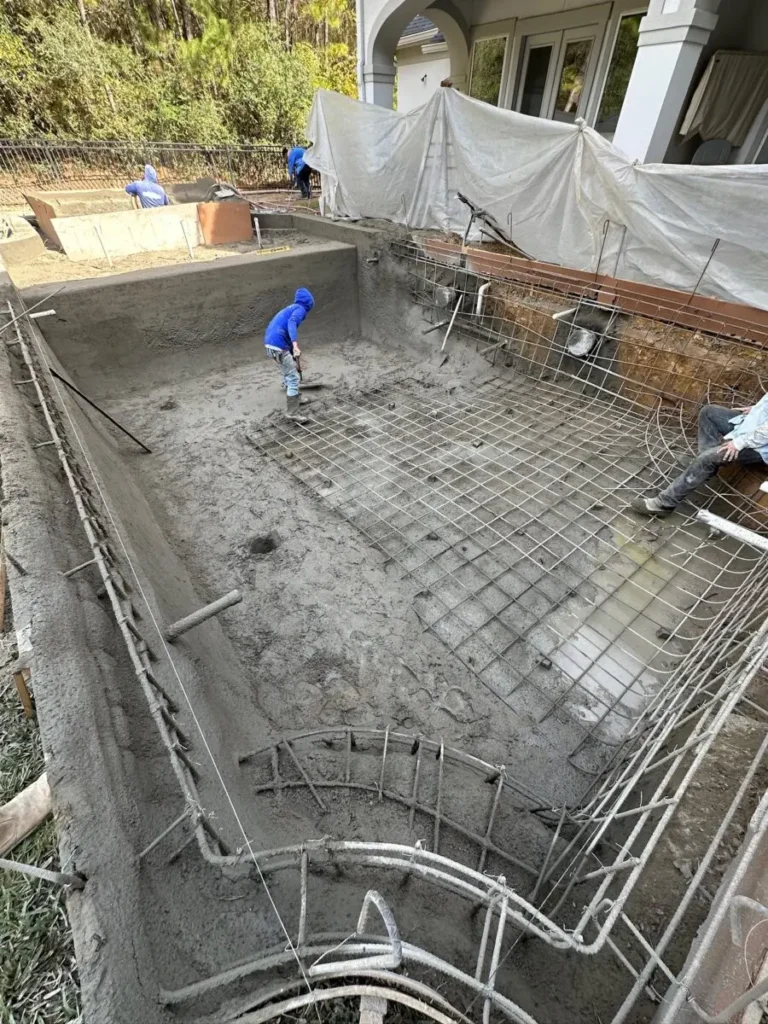
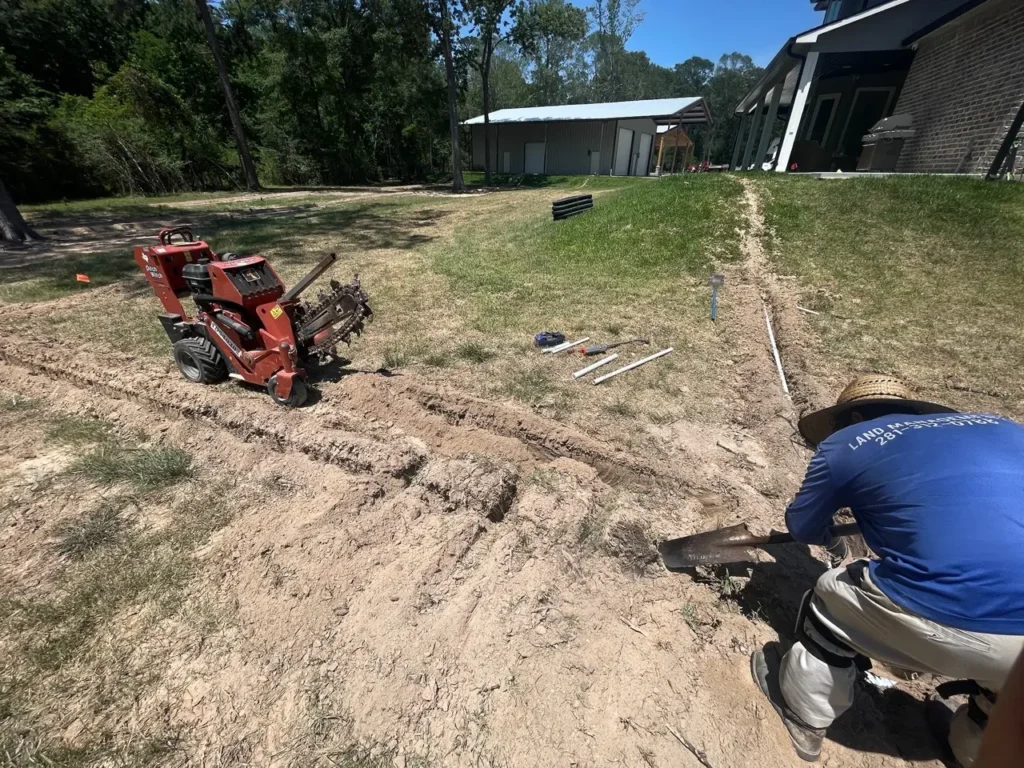
Collecting water is only half the job. We route discharge to appropriate outlets so it doesn’t return to the deck or neighbor’s yard. Depending on lot layout, that could be daylighted to a safe area, tied to a yard drain network, or sent to an approved street connection where allowed.
Discharge Checklist:
- Confirm legal/approved tie-in points
- Size pipes for peak storm flow
- Protect outlets from clogging and backflow
Maintenance: five minutes that saves thousands
Drainage needs periodic attention—especially under oaks or after a construction project.
Seasonal Checklist:
- Re-sand/clean joints if debris accumulates on the deck
- Clear grates and skimmers before storm season
- Flush channel drains and inlets; remove silt and leaves
- Inspect discharge points; ensure they’re open and stable
Permits, inspections, and when engineering is required
For new pools and major deck rebuilds, drainage is part of the plan set. Tie-ins, gas/electrical runs, and structural changes can trigger permits and inspections. We handle submittals, coordinate stamped engineering as required, and schedule inspections so work keeps moving.
Frequently Asked Questions
Clay soils move. Proper slopes and drains keep water off the deck and away from foundations, preserving finishes and safety.
Often both—channels at long transitions, inlets at low points or under water features.
They can. Engineered bases, expansion joints, and drainage planes prevent movement from telegraphing to the surface.
To approved discharge points—daylight, yard network, or street tie-ins per local rules. We design and size this in the plan.
Seasonally, and after major leaf drop or storms: clear grates, flush channels, and check outlets.
Ready to fix ponding—or plan it right from day one?
We’ll walk your property, map slopes and outlets, and deliver a clear plan with line-item pricing.