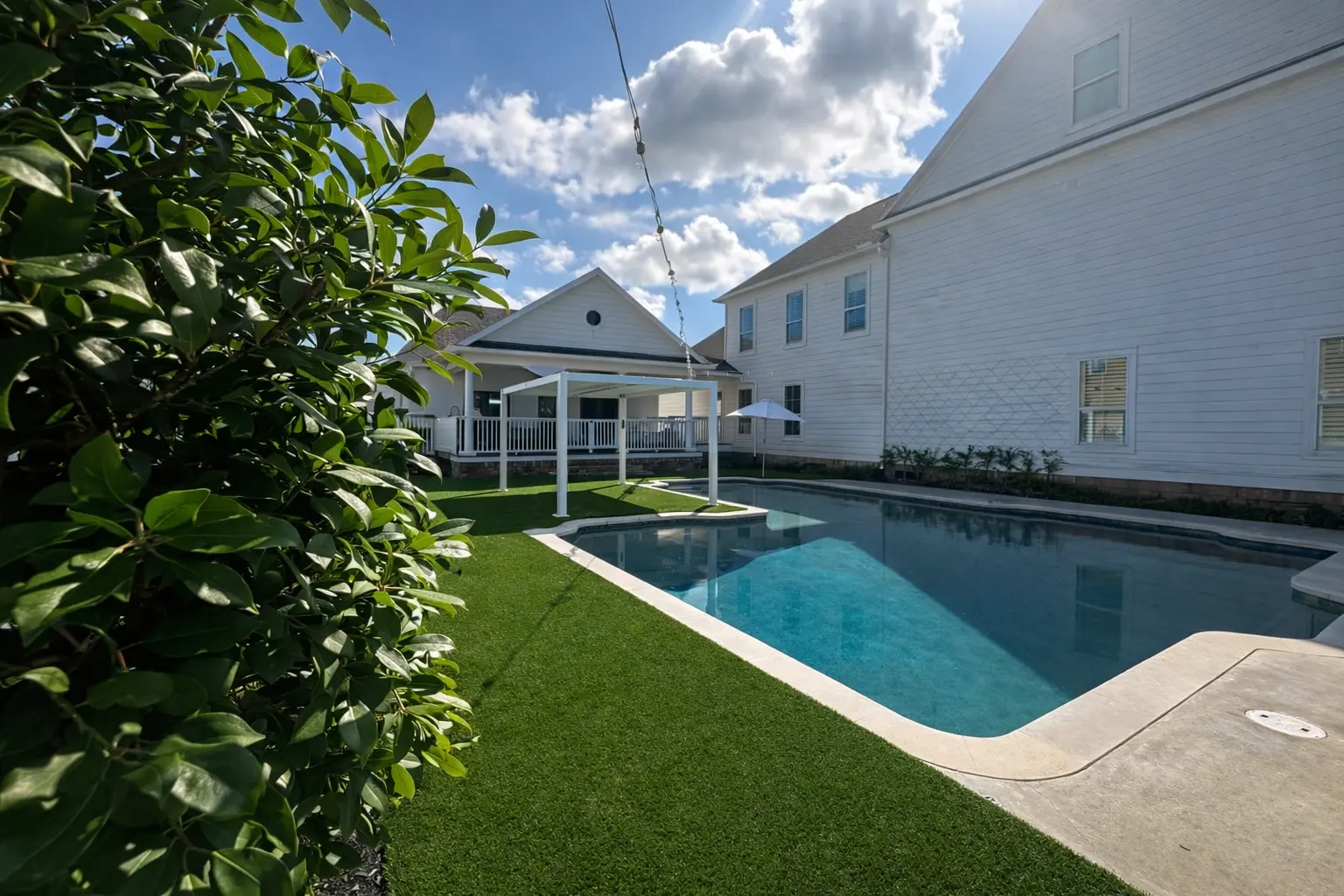
Midtown Tight-Access Pool Logistics: How We Build Clean on Small Lots
Midtown projects succeed with access routes, micro-staging, and dust/noise control planned up front. We trench gas/electric once, integrate drainage with decking, and keep neighbors happy with tidy, predictable work windows. If you’re early in planning, start at our Pool Design & Construction hub and see Midtown context on the Midtown service page.
Pre-Build Walk: The Most Important Hour We’ll Spend
We map clearances, gate widths, and overhead lines, then choose a build path that avoids trees and utilities. We’ll confirm setbacks, easements, and neighbor constraints so the plan survives contact with reality.
What we document
- Narrowest pinch points and turning radii
- Utility locates (gas, electric, water, fiber) and meter positions
- Staging zones inside the property line
Micro-Staging Beats Big Messes
On small lots, less is more. We schedule day-by-day deliveries, use smaller trucks, and store materials inside the fence to keep streets open and neighbors calm.
Our clean-build habits
- HEPA-capable cutting options; water down dust where allowed
- End-of-day cleanup and swept sidewalks
- Quiet hours for saws and compaction equipment
Access Solutions for Tight Yards
Mini-excavators, conveyor belts, hand-carry plans—we tailor the approach to the site. For zero-lot-line conditions, we coordinate with neighbors well in advance and secure written windows.
Access tools we use
- Compact equipment with low ground pressure
- Ply routes and temporary ramps to protect surfaces
- Material breakdown (smaller pallets; pre-cut sequences)
Utilities: Trench Once, Restore Once
We model gas/electric runs in 3D alongside deck drainage so trenches happen a single time and backfill is compacted correctly. Equipment pads are sited for service access and lower noise.
Utility checklist
- Confirm BTU loads and wire sizing with equipment selections
- Keep routes clear of tree root zones where possible
- Coordinate with lighting and automation conduits
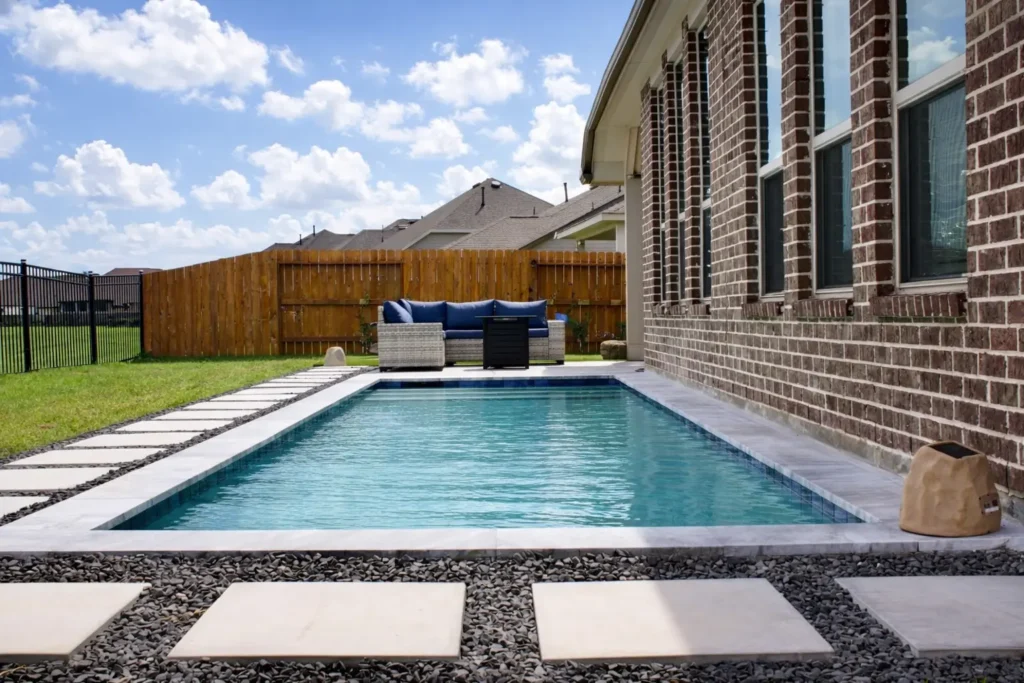
Decking & Drainage: Safety First on Clay Soils
Tight sites magnify water issues. We design positive slopes, place channel drains/inlets where they actually work, and route discharge to approved outlets—so surfaces stay flat and safe after storms.
Inspection Cadence & Timeline
We set the schedule to the site—not the other way around. Expect clean handoffs between trades, with inspections sequenced to minimize downtime.
Typical tight-access timeline
- Pre-submittal & 3D: 1–2 weeks
- Approvals (HOA/permits): 2–4+ weeks
- Build: 8–14 weeks (excavation/steel → roughs → gunite → tile/coping/decking → equipment/startup)
FAQs
Can you build a pool on a narrow Midtown lot?
Yes—access routes, micro-staging, and dust/noise control are planned up front. Mini equipment and hand-carry methods keep things moving.
How do you manage deliveries and staging?
Day-by-day drop windows, smaller trucks where possible, and staging inside the property line. Streets and alleys stay open.
Will utilities tear up the whole yard?
No. We trench once, coordinate gas/electric with drainage and decking, and restore cleanly.
How long does a tight-access build take?
Most complete in 8–14 weeks after approvals, depending on inspections, weather, and features.
Do you handle permits and inspections?
Yes—complete packets, scheduled inspections (gas, electrical, plumbing, shell, final), and attendance at each milestone.
Ready to Make a Small Lot Work Like a Big One?
We’ll walk your site, run a 3D access and staging plan, and deliver a line-item proposal that respects your neighbors—and your schedule.